
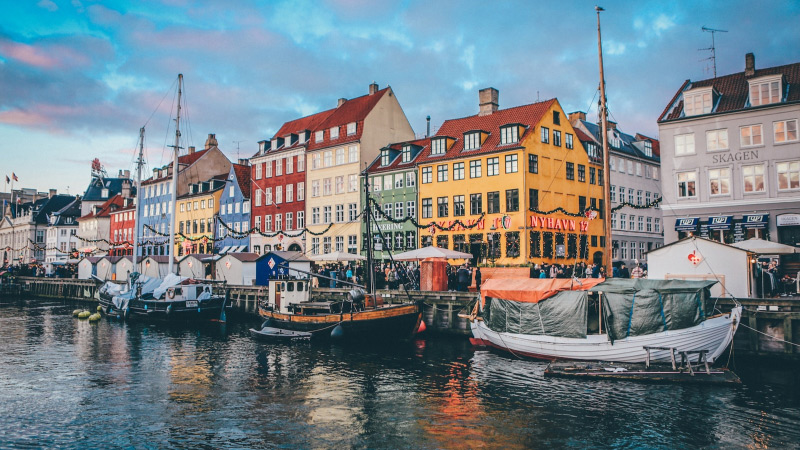
Planning your first trip to Europe? It’s exciting, a little overwhelming, and honestly one of the best travel decisions you’ll ever make. This Europe travel guide for first timers will walk you through everything you need to know—from when to go and where to visit, to how to plan your itinerary and budget smartly. Think of this as your travel companion helping you avoid confusion and enjoy your journey stress-free.
Why Europe is Perfect for First-Time Travelers
Europe is one of the easiest continents to explore, especially if it’s your first international trip. The countries are close to each other, which makes traveling between destinations quick and convenient. Public transport is extremely efficient, whether it’s trains, buses, or budget flights. You also get a perfect mix of history, culture, and modern lifestyle, all in one trip.
Another advantage is that many people speak English, so communication is rarely a problem. Whether you’re dreaming of romantic streets in Paris, exploring canals in Amsterdam, or walking through ancient history in Rome, Europe offers something unforgettable for every traveler.
Best Time to Visit Europe
Understanding the best time to visit Europe can make a big difference in your experience. Europe looks and feels completely different depending on the season you choose.
Spring, from April to June, is one of the most pleasant times to visit. The weather is mild, flowers are blooming, and tourist crowds are still manageable. Summer, from July to August, is the peak travel season. The weather is warm, festivals are happening everywhere, and cities are lively, although prices are higher and popular attractions can be crowded.
Autumn, from September to October, is another fantastic time, especially for first-time travelers. The weather remains comfortable, the crowds begin to thin, and the landscapes turn beautiful with fall colors. Winter, from November to March, brings a magical charm with Christmas markets and snowy views, especially in cities like Vienna and Prague.
For most travelers, May–June or September is considered the best time to visit Europe because it offers a perfect balance of good weather and fewer crowds.
Top Things to Do in Europe
When it comes to experiences, there is no shortage of top things to do in Europe. The continent is full of iconic landmarks, cultural experiences, and natural beauty.
One of the must-do activities is exploring historical landmarks. Visiting the Eiffel Tower, walking through the Colosseum, and witnessing the ancient beauty of the Acropolis are unforgettable experiences.
Traveling between cities by train is another highlight. Routes like Zurich to Interlaken offer scenic views that feel straight out of a movie. Food is also a major part of the journey, from enjoying authentic Italian pasta and pizza to tasting fresh croissants in France and waffles in Belgium.
Nature lovers can explore breathtaking destinations like the Swiss Alps, Norwegian fjords, and peaceful lakes in Austria. Shopping is equally exciting, with everything from local street markets to luxury shopping streets offering unique finds.
How to Plan Your First Europe Trip
Planning your trip doesn’t have to feel overwhelming if you take it step by step. Start by deciding which countries you want to visit. Instead of trying to cover everything, focus on two to four countries such as France, Italy, Switzerland, and the Netherlands.
Next, decide the duration of your trip. A 7 to 10-day trip is ideal for covering two countries comfortably, while a 10 to 15-day trip allows you to explore three to four destinations without rushing. Once you have this clarity, create a rough itinerary. For example, you can spend a few days in Paris, then head to Amsterdam, and finish your trip in Rome.
Booking your flights and accommodations early is always a smart move, as it helps you save money and secure better options.
Visa & Travel Documents (For Indians)
If you are traveling from India, you will need a Schengen Visa to visit most European countries. Your passport should have at least six months of validity. Along with that, you’ll need travel insurance and confirmed bookings for flights and hotels.
It’s always recommended to apply for your visa at least three to four weeks in advance to avoid last-minute stress.
Budget Planning for Europe
Europe can suit different budgets if planned properly. A typical trip may include flight costs ranging between ₹45,000 to ₹80,000, accommodation costing around ₹5,000 to ₹12,000 per night, daily food expenses of ₹1,500 to ₹3,000, and transport costs of approximately ₹10,000 to ₹20,000.
To save money, consider using public transport instead of taxis, staying in budget hotels or hostels, booking attraction tickets in advance, and traveling during shoulder seasons. Smart planning can significantly reduce your overall expenses.
Getting Around Europe
Getting around Europe is simple and convenient. Trains are one of the best ways to travel between cities, offering comfort and scenic views. Budget airlines provide quick connections at affordable prices, while buses are a cheaper alternative, although they may take longer.
For first-time travelers, trains are usually the most comfortable and reliable option.
Where to Stay in Europe
Europe offers a wide range of accommodation options to suit every type of traveler. You can choose from budget hostels, boutique hotels, Airbnb apartments, or luxury stays depending on your preference and budget.
Staying in central locations is always recommended, as it saves time and makes it easier to explore nearby attractions.
Packing Tips for First-Time Travelers
Packing smart can make your trip much smoother. Carry comfortable walking shoes because you’ll be exploring a lot on foot. A universal adapter is essential for charging your devices. Make sure to keep all your travel documents organized and pack clothes according to the weather of your destination.
It’s always better to pack light so that moving between cities becomes easier.
Common Mistakes to Avoid
Many first-time travelers make the mistake of trying to visit too many countries in a short time, which can make the trip exhausting. Not booking tickets in advance can lead to higher costs and missed experiences. Ignoring travel insurance is another common mistake that can cause problems in emergencies.
Overpacking is also something you should avoid, as it can make traveling less convenient.
Sample 10-Day Europe Itinerary
A simple 10-day itinerary can include spending the first few days in Paris, followed by a visit to Brussels. You can then continue to Amsterdam and end your journey in Rome. This combination gives you a perfect mix of culture, history, and vibrant city life.
Internal Resources for Better Planning
If you’re looking for more detailed planning support, you can explore https://chalotravellers.com/europe-tour-packages and https://chalotravellers.com/international-travel-tips. These resources can help simplify your planning and give you better clarity on your trip.
Final Thoughts: Your First Europe Trip
Your first Europe trip is something you’ll remember forever. This Europe travel guide for first timers is designed to help you plan with confidence and enjoy every moment. From understanding the best time to visit Europe to discovering the top things to do in Europe, the key is to plan smartly while leaving room for spontaneous experiences.
Don’t try to make everything perfect. Just take the first step, explore, and enjoy the journey—because once you visit Europe, you’ll already be dreaming about your next trip.
Related Blogs
Read All ›